Bridging Demo Tables to Competitive Wins Through Targeted Bonus Tactics in Blackjack
Casey Walter · Aug 11, 2026
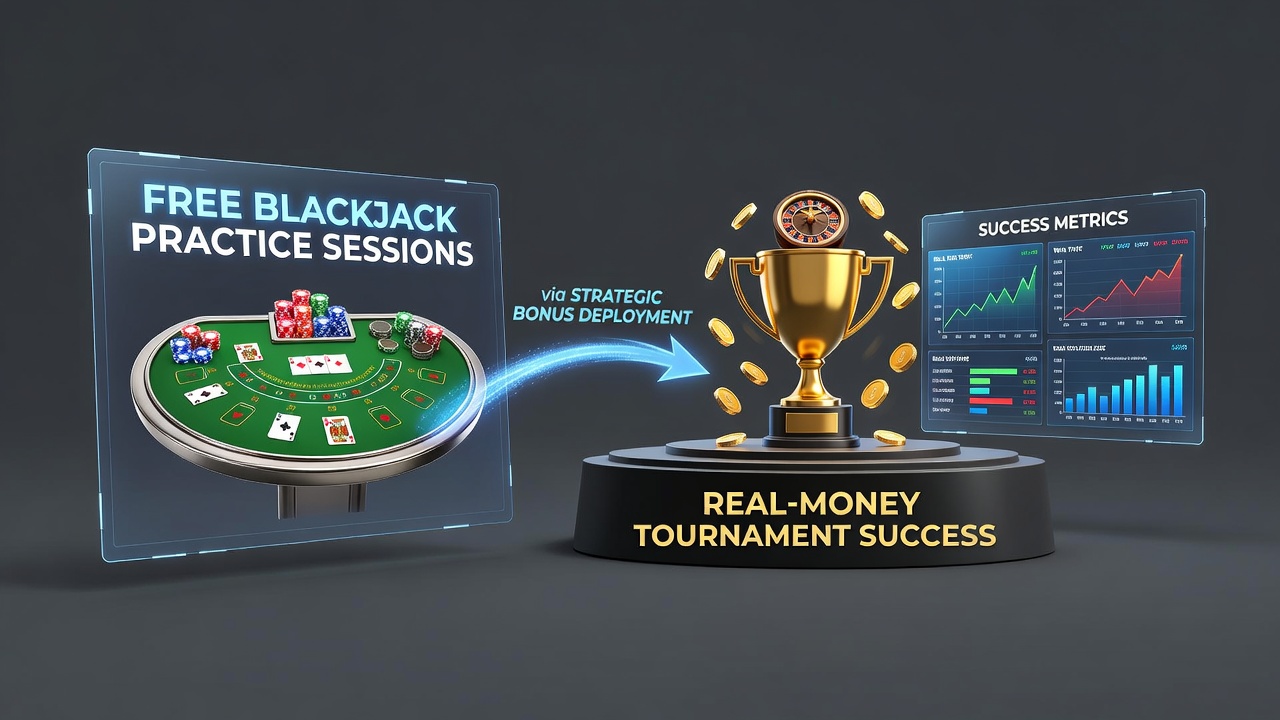
Bridging Demo Tables to Competitive Wins Through Targeted Bonus Tactics in Blackjack
Free blackjack practice sessions provide structured environments where participants refine basic strategy charts and card counting techniques without financial exposure, while real-money tournaments demand precise bankroll allocation and risk management under time pressure. Observers note that many players transition between these formats by applying bonuses earned during practice phases to meet entry requirements or extend playing sessions in paid events. Data from industry reports shows that structured progression paths, when combined with bonus terms that allow tournament qualification, appear in multiple operator platforms across regulated markets.
Foundations Built in Free Play Environments
Practice modes replicate live dealer rules and payout structures so participants can test variations such as single-deck versus multi-deck formats, and researchers at academic institutions have documented measurable improvements in decision accuracy after repeated sessions. Those who study this progression often discover that free environments reduce emotional decision-making because losses carry no real cost, yet the same interfaces mirror tournament software used in live events. And because many platforms track performance metrics across both free and paid modes, participants can identify specific weaknesses in doubling-down frequency or splitting pairs before committing funds.
Regulatory data released in August 2026 from the Nevada Gaming Control Board indicates that operators offering integrated practice modules report higher retention rates among players who later enter fee-based competitions. These modules frequently include bonus triggers that activate once certain hand volumes or accuracy thresholds are reached, creating a direct pipeline from demo tables to funded accounts.
Mechanics of Strategic Bonus Application
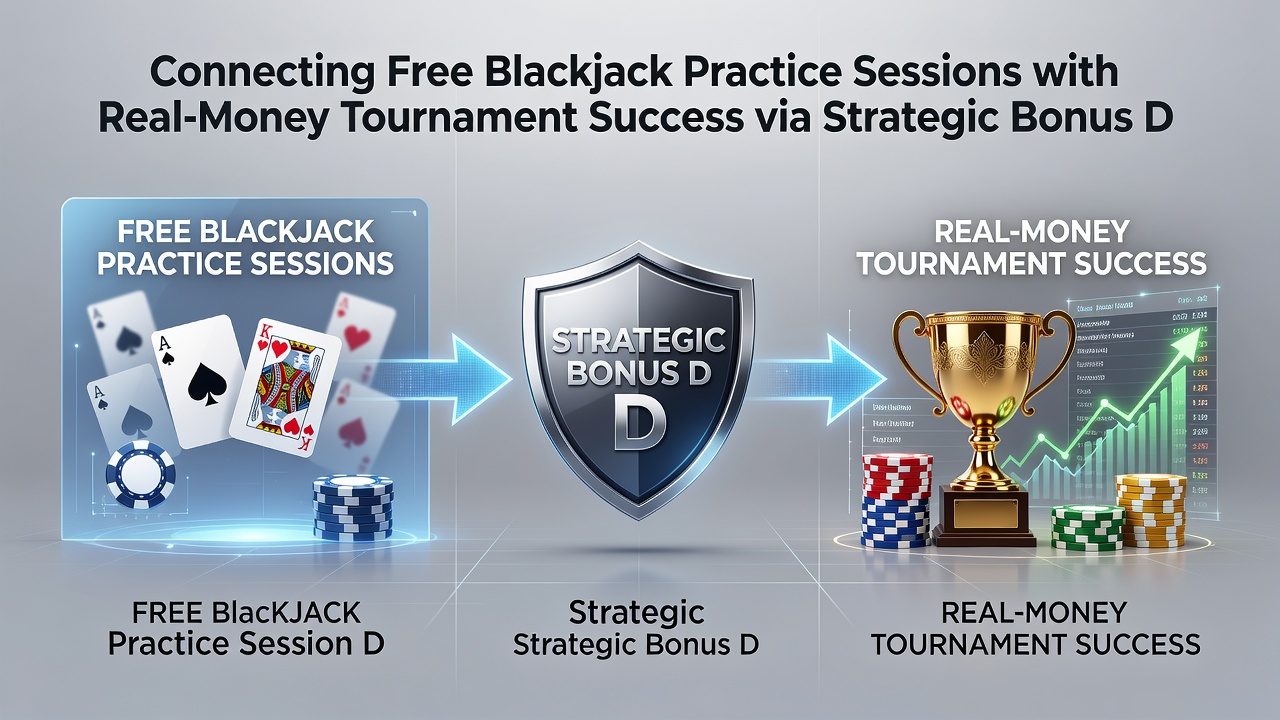
Bonuses deployed strategically function as bridges rather than mere incentives because their wagering requirements can be satisfied through consistent practice play that simultaneously prepares users for tournament formats. Players often select offers with low rollover multipliers and broad game eligibility, allowing portions of the bonus to remain available for tournament buy-ins rather than being fully consumed in cash games. What's interesting is how operators structure these promotions so that completion of practice milestones unlocks enhanced bonus tiers, effectively converting time spent in free sessions into additional tournament capital.
Industry analyses from the International Gaming Institute at the University of Nevada, Las Vegas reveal that participants who allocate at least 60 percent of bonus funds toward qualifying events show elevated advancement rates compared with those who use bonuses exclusively in cash tables. This pattern holds across multiple jurisdictions where bonus terms explicitly permit tournament entries, and the data indicates clear correlations between bonus utilization patterns and final table appearances.
Transition Pathways Into Real-Money Events
Tournament structures typically require either direct buy-ins or accumulated points from satellite events, and bonuses that convert into tournament credits remove one financial barrier for emerging players. Those who've tracked these systems note that free practice sessions allow users to simulate the exact pacing of timed rounds, including the pressure of rising blinds or blind levels that increase every few hands. Because many platforms synchronize their practice and tournament engines, muscle memory developed without stakes transfers directly when bonuses fund initial entries.
Further evidence appears in operator reports showing that August 2026 saw increased satellite tournament volume in markets where bonus deployment aligned with practice completion rewards. These alignments create measurable upticks in first-time tournament participants who previously limited activity to demo modes, and the statistics track higher survival rates past early elimination stages for this group.
Observed Patterns Across Multiple Markets
Comparative studies conducted by gaming research centers in Canada and Australia demonstrate similar trajectories: players who treat bonuses as practice accelerators rather than standalone rewards reach paid competition thresholds faster. The ball remains in the operator's court to maintain clear terms that do not penalize tournament use of bonus funds, yet where such clarity exists the pathway from free sessions to competitive success becomes more accessible. And while individual results vary according to skill acquisition and bankroll discipline, aggregate figures reveal consistent advantages for those who sequence practice, bonus activation, and tournament entry in deliberate order.
Conclusion
Connecting free blackjack practice with tournament participation through strategic bonus use follows documented patterns in regulated gaming environments. Performance metrics, regulatory releases, and cross-jurisdictional analyses all point to measurable benefits when players align practice volume with bonus terms that support competitive entries. The pathways remain open to those who treat each element as part of a continuous progression rather than isolated activities.