Digital Blackjack Arenas: Exploring Online Casino Features and Operations
Elena Perry · Oct 18, 2026

Digital Blackjack Arenas: Exploring Online Casino Features and Operations
Online blackjack casinos operate through software platforms that simulate traditional card games while incorporating random number generators to determine card draws and outcomes; these systems connect players across various devices to live or automated tables where standard rules apply including dealer must hit on 16 and stand on 17 in most variants.
Software providers such as Evolution Gaming and Playtech supply the core technology for many platforms, delivering both random number generator based games and live dealer streams that transmit real time footage from studios located in regions with established licensing frameworks, and data from industry reports indicate steady growth in user engagement metrics throughout 2025 into October 2026 as mobile compatibility expands.
Core Game Variants and Mechanics
Players encounter multiple blackjack formats on these platforms including classic single deck versions, multi hand options that allow simultaneous plays across several tables, and progressive jackpot variants where side bets contribute to growing prize pools; each format maintains core rules while adjusting payout structures for insurance bets and doubling down opportunities.
Those who have examined platform specifications note that European blackjack often features a single deck with no hole card for the dealer whereas Atlantic City rules permit doubling after splitting pairs, and research from gaming analytics firms shows these differences influence average return to player percentages which typically range between 99.4 and 99.6 percent under optimal conditions.
Security Protocols and Licensing Structures
Regulatory oversight for online blackjack casinos comes from bodies including the Malta Gaming Authority and the Pennsylvania Gaming Control Board, each enforcing standards for data encryption, financial transaction audits, and responsible gaming tools such as deposit limits and session timers; operators must demonstrate compliance through regular third party testing of their random number generators.
According to figures released by the American Gaming Association, licensed platforms processed billions in wagers during recent fiscal periods, with security certifications from organizations like eCOGRA providing independent verification that games function as advertised and that player funds remain segregated from operational accounts.
Payment Integration and Mobile Access
Transaction methods integrated into these casinos include credit cards, e wallets, and bank transfers that enable deposits and withdrawals with processing times varying from instant for digital currencies to several business days for traditional options, and studies conducted by payment technology researchers highlight how faster settlement options correlate with higher session frequency among mobile users.
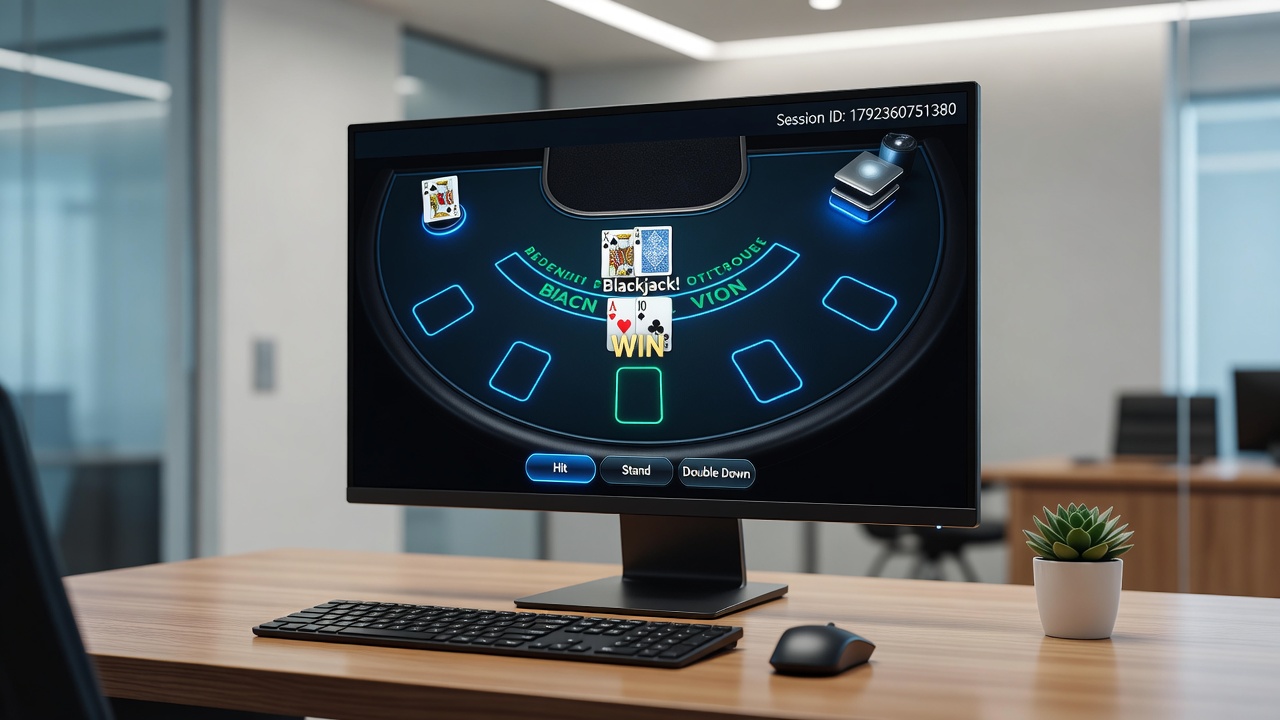
Applications optimized for iOS and Android devices replicate full desktop functionality including touch based controls for card decisions and real time balance updates, while observers tracking adoption patterns report that over half of all blackjack sessions now originate from smartphones rather than desktop computers as network speeds improve globally.
Player Resources and Tournament Structures
Many platforms provide free play modes that allow individuals to practice strategies without financial risk before transitioning to real money tables, and case examples from operator reports show participants often use these modes to test card counting techniques adapted for digital environments where deck penetration differs from physical casinos.
Tournaments hosted on these sites feature leaderboards that rank players based on chip accumulation over set periods, with entry fees contributing to prize pools distributed among top performers, and data indicates participation spikes during promotional periods when bonus credits supplement initial bankrolls.
Conclusion
Online blackjack casinos continue to integrate advanced streaming technology with established gaming regulations across multiple jurisdictions, creating accessible environments where players engage through varied devices and payment channels, and ongoing developments in October 2026 reflect broader industry shifts toward enhanced mobile infrastructure and diversified game offerings supported by verified security measures from international licensing authorities.